We supply and install very durable and highly efficient aeration systems that are fully autonomous.
Vertex Diffused Aeration for UAE Lakes and Ponds
Dissolved oxygen is the most critical indicator of a pond or lake’s health and water quality. When oxygen is used up too quickly in the water problems can occur. In the Middle East, this is a particularly important issue because warm water has less ability to carry Dissolved Oxygen.
Vertex advanced diffused aeration systems for lakes, ponds, canals and marinas have been shown in INDEPENDENT TESTING to aid in pond and lake restoration by adding oxygen to the water at all depths. Lake aeration is a better choice for the environment as it reduces the need for chemicals to combat problems caused by low oxygen.
Lakes that are ‘stratified’ have increased bottom muck, excessive nutrients, plant/algae growth, and noxious gases. Our advanced diffuser design forms an ultra-wide column of upward moving water, “turning the lake over” and allowing oxygen to be absorbed at the surface. Let us design the system to meet your lakes specific needs.
Alpha is the authorised UAE partner for VERTEX Lake Aeration Systems & Floating Fountains, manufactured by Vertex Aquatic Solutions. We supply, install and maintain the systems.
Aeration is normally specified as part of an ongoing lake management programme, and is most effective once accumulated sediment has been addressed through sludge removal — the oxygen demand of that sediment is what depletes the water column in the first place.
Why Dissolved Oxygen Matters in Lakes
Dissolved-oxygen concentration is one of the most critical factors affecting lake and reservoir ecosystems because oxygen is an essential element for most aquatic life. Very low dissolved oxygen concentrations can control some types of chemical reactions (for example to production of odor compounds like H2S). Oxygen solubility decreases as water temperature increases. This relation is important because at warmer temperatures the metabolic rate of an organism increases but less oxygen is available for respiration.
The primary sources of dissolved oxygen are from the air and photosynthesis. The minimum dissolved-oxygen concentration as specified by the U.S. Environmental Protection Agency (1986) for early life stages of warm-water aquatic life is 5.0ppm. Dissolved oxygen levels below 5ppm can result in the mass death of fishes and other aquatic life, as well as other concerns such as odor release of H2S under anoxic conditions. Dissolved oxygen concentration can decrease in response to decomposition of dead algae that settle on the lake basin in response to the biological and chemical oxygen demand of the sediments. The oxygen demand from these processes can completely deplete the oxygen in the water near the lake bottom, creating conditions that can lead to the death of all aquatic organisms in a lake system or reservoir. Anoxia can also increase the release of phosphorus from the bottom sediments. This phosphorus then mixes throughout the water column and can contribute to the subsequent growth of algae.
What Causes a Pond to Turn Over?
- While there are several causes of fish mortality, one common cause of large-scale kills in sport fish ponds is caused by an event known as “turnover.”
- As water begins to heat up during late spring and early summer, the water column in ponds becomes stratified into two very distinct layers. The top five to six feet of the water is a very productive layer, high in dissolved oxygen and phytoplankton.
- This bloom of phytoplankton, often fuelled by fertilization, produces high rates of dissolved oxygen as a by-product of photosynthesis. It also provides a food source for small forage species of fish. This phytoplankton base is the building block for the food chain and crucial to produce a quality fishery.
- Below this oxygen-rich, productive layer is a cooler layer on the bottom. This bottom layer is very low in dissolved oxygen and phytoplankton, making it very difficult for fish to thrive in this area for any length of time. Any depths greater than five or six feet usually assume this role throughout the heat of summer.
- Turnover occurs when a sudden cooling event triggers the top layer to cool and sink. This mixing action produces an anoxic environment in which fish simply cannot survive. Common cooling events that may trigger this process are large amounts of cool rainfall during a storm or possibly an unusually cold night during the early fall.
- Aeration combines the water columns, significantly increasing the area available to the fish. A diffuser aeration system will also increase fish production, amplify growth rates and decrease the growth of invasive aquatic vegetation

Before any aeration you can see that the water has become stratified and divides into columns, significantly reducing the area available for fish habitat and stressing the fish.

Aeration combines the water columns, significantly increasing the area available to the fish. A diffuser aeration system will also increase fish production, amplify growth rates and decrease the growth of invasive aquatic vegetation.
How Our Aeration Systems Work
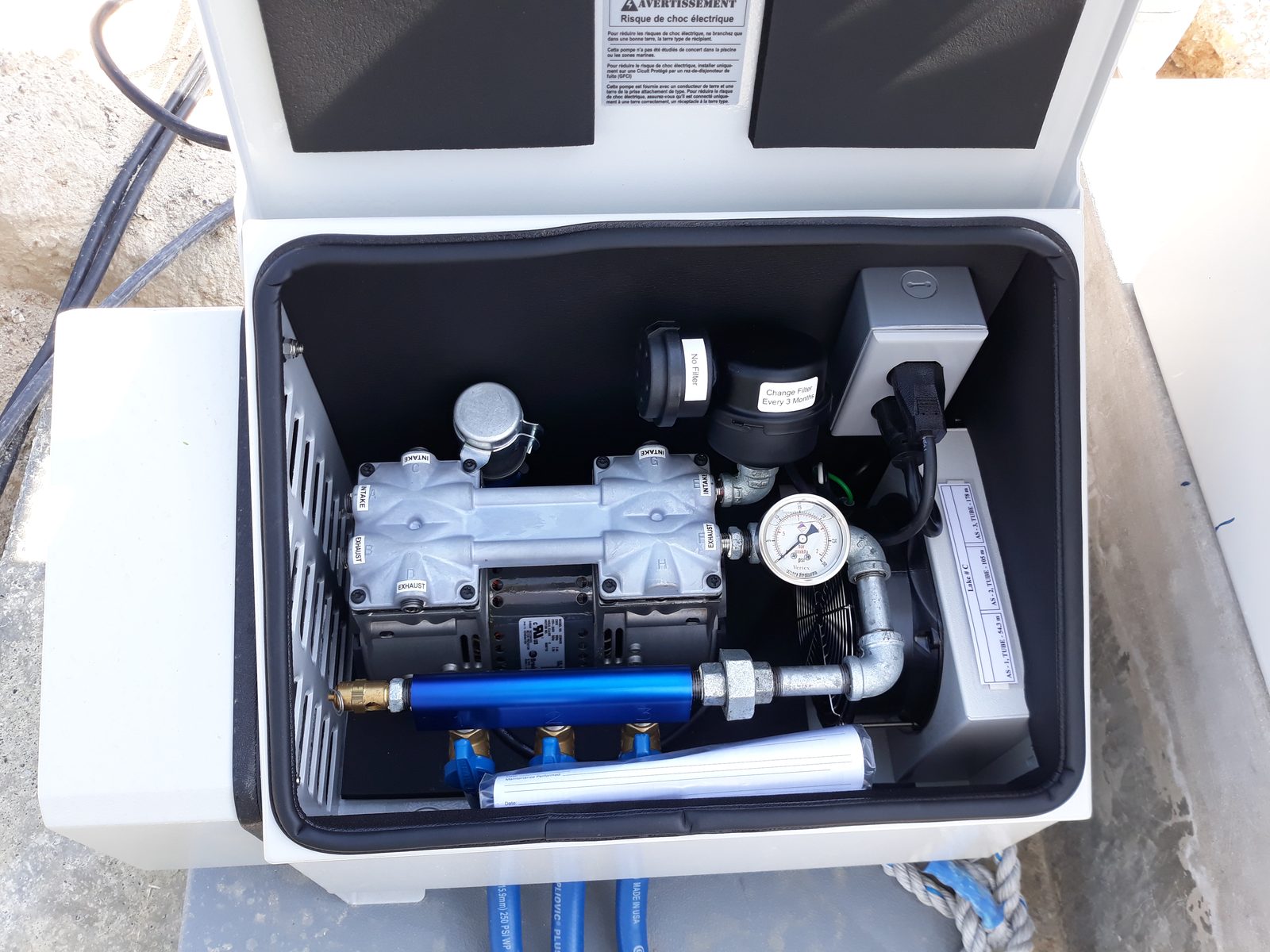
- The aeration system consists of submerged diffusors that are connected to air compressors though weighted air tubes. With this system, dissolved oxygen (DO) levels are increased throughout the entire water column with the use of the bottom-mounted diffusers. The diffusers employ a super fine micro-bubble technology resulting in the highest diffuser oxygen transfer rate (OTR) available today. The micro-bubbles draw water from the pond floor to the surface where atmospheric Oxygen is absorbed and then Transferred throughout the water column.
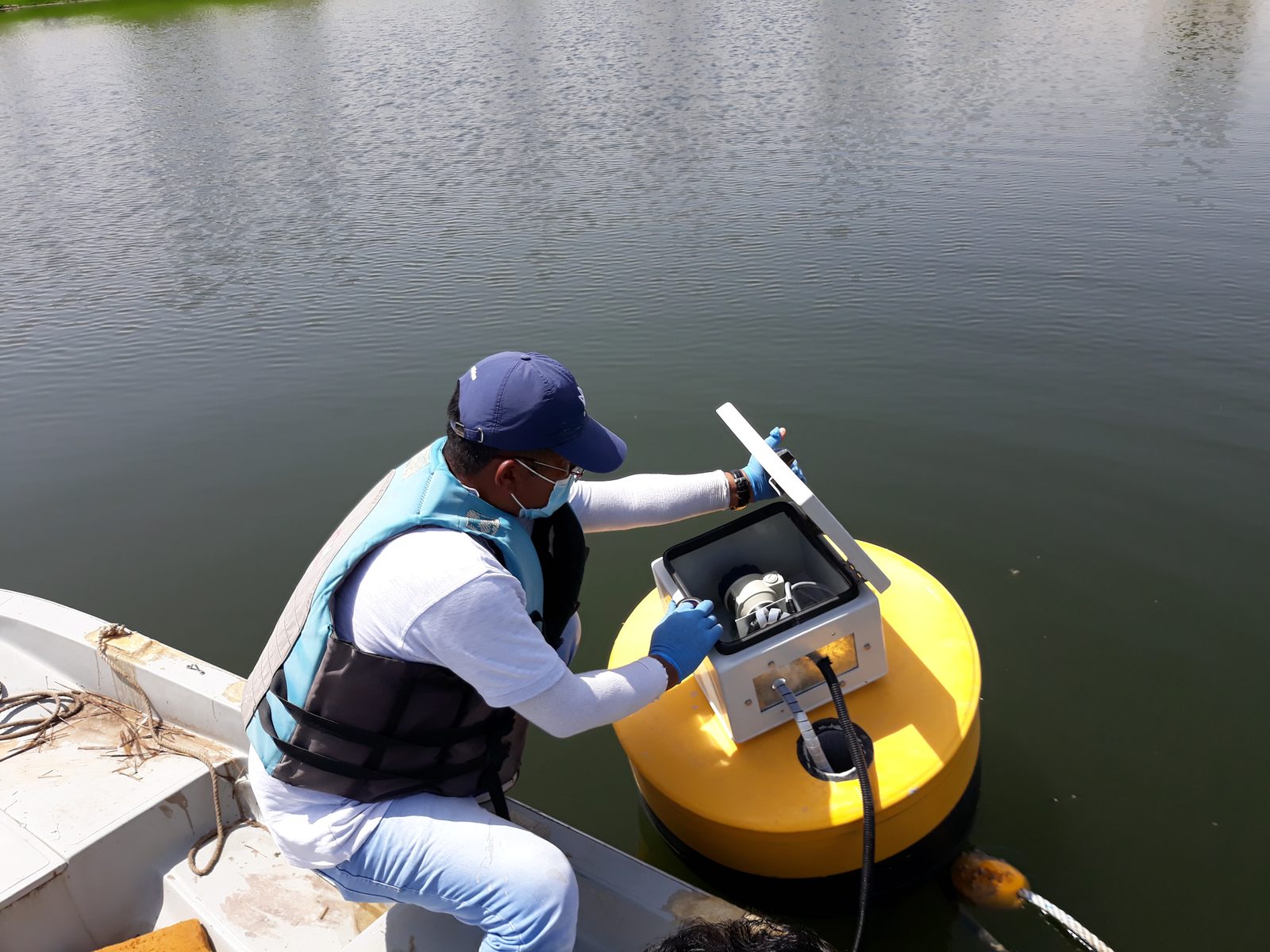
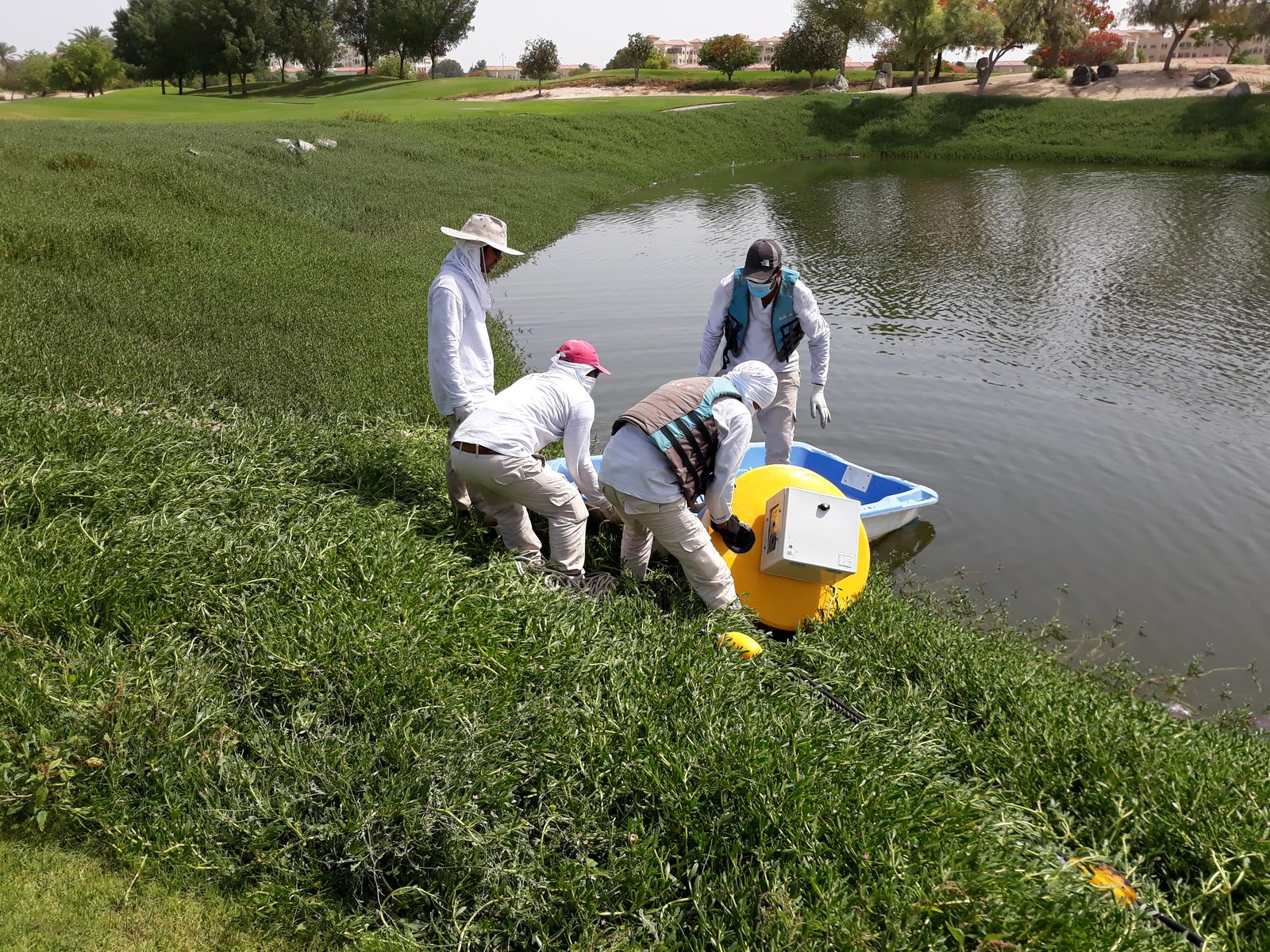
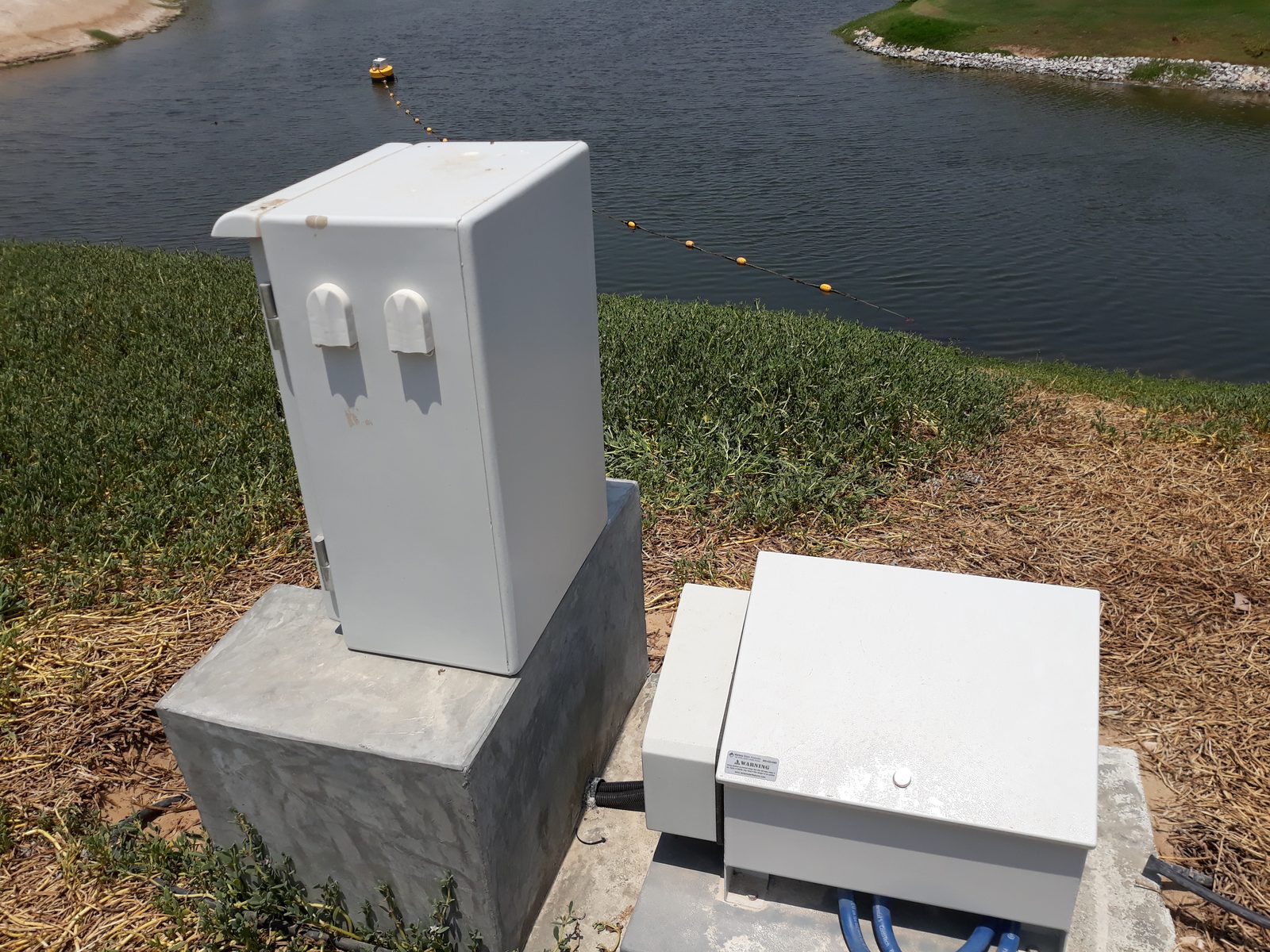
- A stainless steel, base mounted enclosure containing the compressors delivers the highest air flow rates available. Weighted air tubing supplies air flow to the diffusers while remaining unseen and un-obstructive on the pond bottom. Coated, anti-fouling diffuser membranes utilize micro-bubble technology to synergistically lift water from the pond bottom to the surface where atmospheric oxygen transfer occurs and a subsequent, oxygen enhanced, beneficial circulation is created. The position of the diffusors is designed to maximize aeration to ensure that all parts of the lakes are aerated properly.